

When it comes to product success, packaging plays a vital role that goes beyond just protection. It’s a marketing tool, a brand ambassador, and an essential element of your customer experience. At Shri Ram Packaging Industries, we believe that the right packaging is the key to creating lasting impressions and boosting your product’s appeal.
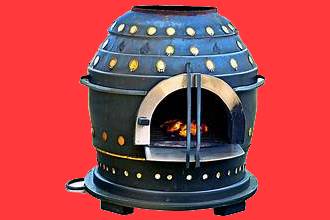
Maintenance Tips for Tandoors
1. Cleaning After Each Use
Removing Ash and Debris
Ash and leftover particles from wood or charcoal are acquired in the backside of the tandoor. After every use allow the tandoor to cool then scoop out the ash and put off it accurately. Removing this particle is vital to preserve airflow and efficient heating in the next makes use of.
Wiping Down the Interior and Exterior
Use a moist fabric to wipe down the interior partitions of the tandoor to do away with meal splatters and any remaining ash. For the outside wiping it down regularly prevents soot buildup and maintains the tandoor looking new. If you have a clay tandoor keep away from the use of excessive water inner to prevent moisture buildup which can weaken the clay.
2. Deep Cleaning for Thorough Maintenance
Monthly Deep Clean Process
Once a month deep smooth the tandoor to put off any buildup of grease and stubborn residue. Avoid using harsh chemical substances that could have an effect on the taste of your meals alternatively natural cleansing sellers like vinegar or baking soda are powerful for both clay and metallic tandoors. Simply make a paste with baking soda and water scrub the surfaces and wipe clean.
Cleaning the Grill and Skewers
Grills and skewers tend to accumulate food particles and grease. Soak them in warm water with a moderate detergent, then scrub to remove charred bits. This keeps the utensils smooth and forestalls residual flavors from affecting future meals.
3. Maintaining Clay and Brick Tandoors
Preventing and Repairing Cracks
High warmth can purpose clay tandoors to increase cracks through the years. To save you from cracking keep away from speedy temperature modifications heat the tandoor steadily as opposed to subjecting it to a sudden high flame. For small cracks patching with a clay mixture allows to preserve structural integrity. Use food-safe clay for upkeep to ensure safety.
Seasoning the Clay
Seasoning clay tandoors often strengthens the clay shape and stops dryness and cracking. Lightly coat the indoors with oil and heat it for a few hours to permit the oil to absorb. This creates a natural barrier that prevents meals from sticking and decreases moisture loss inside the clay.
4. Maintaining Metal Tandoors
Protecting Against Rust
For metallic tandoors in particular the ones used outside rust prevention is critical. To prevent rust observe a skinny layer of cooking oil in the indoors after cleaning. Rustproof coatings or oils particularly designed for metal surfaces also are beneficial. Cover your metal tandoor whilst now not in use to protect it from moisture and rust.
Handling Temperature Fluctuations
Sudden changes in temperature can cause warping or harm in steel tandoors. To keep away from this warmness the tandoor gradually and permit it to settle down earlier than making use of any bloodless water or cleaning solutions. Avoid putting cold ingredients immediately onto a warm tandoor floor.
5. Fuel Management and Ash Disposal
Choosing the Right Fuel Type
Wood charcoal and fuel each have particular uses and influences for your tandoor. Charcoal and wood are conventional and impart a smoky taste even as fuel gives purifier combustion. Choose awesome gasoline to minimize residue buildup and ash. Clean burning fuels especially hardwood charcoal produce much less ash and soot simplifying the cleaning system.
Proper Ash Disposal
Remove ash after each use and do away with it in a fireplace-safe box. Ensure there is no ash buildup within the airflow vents as this may hinder oxygen going with the flow affecting the cooking system. Disposing of ash properly additionally ensures better air quality in your cooking surroundings.